
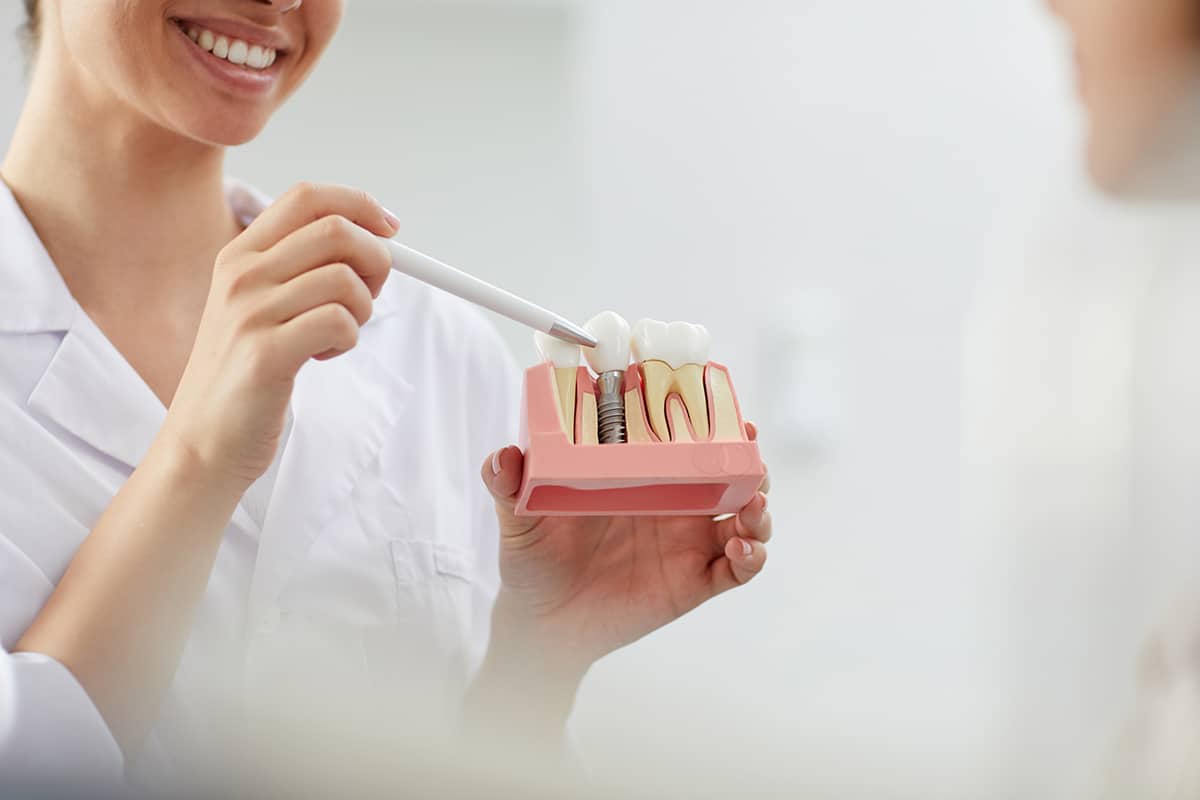
Anxiety often keeps patients from seeking the dental care they need. We frequently hear concerns about pain levels regarding restorative procedures. The idea of placing a metal post in the jawbone can be intimidating to many people. However, we want to assure you that the actual procedure feels much different than what you may imagine. Modern dentistry places patient comfort above all else. We use advanced techniques and adequate anesthesia so you can expect the experience to remain manageable and often surprisingly easy.
We want to help dispel the myths surrounding implant surgery. Our team believes that knowledge lowers anxiety. Understanding what happens during your appointment enables you to approach your treatment with greater confidence. We perform these procedures regularly and notice that most patients report much less discomfort than they expected. We wrote this guide to help our neighbors in Northampton understand what you can honestly expect from the process.
Understanding the Implant Procedure and Anesthesia
How Local Anesthesia Prevents Pain
We begin every implant procedure by making sure the surgical site feels completely numb. We inject a potent local anesthetic to block any pain signals from the area. You stay awake for the procedure, but you will not feel any sharp sensations. Most patients say it feels similar to getting a filling. We always wait until the anesthesia takes full effect before we start any work. You may notice some mild pressure or vibration as we prepare the site. This pressure does not mean pain. We monitor your comfort level throughout the appointment. If you experience any sensitivity, we stop right away and apply more anesthetic.
The Role of Technology in Comfort
Modern dental technology lets us plan surgeries with incredible precision. We use 3D imaging to map your jawbone structure before you even sit in the chair. This preparation allows us to place dental implants efficiently and with minimal invasiveness. Because we know exactly where to place the implant, we disturb the surrounding gum tissue as little as possible. Smaller incisions help you heal faster and feel less discomfort after surgery. When we plan surgeries well, our patients consistently experience smoother recoveries.
What to Expect During Recovery
Managing Post-Operative Sensations
After the local anesthesia wears off, you will likely notice some tenderness. This sensation feels similar to what you might feel after a tooth extraction, though many patients say it feels less intense. We advise you to take an over-the-counter pain reliever, such as ibuprofen or acetaminophen, before the numbness completely resolves. Taking medication in advance helps you stay ahead of any discomfort. Most of our patients get enough relief with just these non-prescription medications. We almost never need to prescribe stronger pain medication for single implant placement.
The First 24 to 48 Hours
Your body starts to heal right away. You may notice minor swelling or bruising around the implant site or on your cheek. We recommend using an ice pack on the outside of your face in 20-minute intervals to help reduce swelling. Eating a soft diet for a few days also helps. Foods like yogurt, smoothies, and mashed potatoes let you avoid chewing near the surgical site. Most patients go back to their regular work or school schedules the next day. If you feel tired, we encourage you to rest, but most people do not need much downtime.
Signs of Proper Healing
We want you to know what a healthy recovery looks like. The gum tissue over your implant should appear pink and firm within a week or two. You should feel a little better every day. If your pain starts to increase three or four days after treatment, we want you to call our office. While this rarely happens, we prefer to check and rule out infection quickly. We check in because we care about your health and want your healing to go smoothly.
Comparing Implants to Other Dental Procedures
Implants vs. Tooth Extractions
Many patients assume an implant will hurt more than a tooth extraction. In reality, most people find implant placement much less painful. Removing a tooth means loosening the tooth in the socket, which often causes trauma to the gums and bone. To place an implant, we make a precise incision and insert the post. We use specialized, high-speed equipment to prepare the site gently. The jawbone has fewer pain-sensing nerves than teeth, so the bone itself causes minimal discomfort while healing.
Long-Term Comfort and Function
Restoring a tooth with an implant leads to long-term comfort. After your implant fuses with the jawbone, it works exactly like a natural tooth root. Dentures can slip and sometimes cause sore spots on your gums. Bridges rely on neighboring teeth for support, which can sometimes cause sensitivity. An implant stands alone and remains stable. Because the implant has no nerves, you cannot feel it directly. You simply feel pressure as you chew, as you would with your natural teeth. We believe this stability lets you enjoy the highest level of comfort for years to come.
Moving Forward with Confidence
We hope you feel more at ease about dental implant surgery after reading this information. We know the word “surgery” can cause anxiety, but our success rate stays high, and our patients regularly tolerate the procedure well. Every day, we see how a restored smile transforms confidence and daily comfort. The brief and manageable discomfort you experience during healing gives you a lifetime of healthy, functional teeth. Please ask us any questions or share concerns; we work to keep you informed and comfortable at every step.
Frequently Asked Questions About Dental Implants
How long does the pain last after surgery?
Most patients report peak soreness in the first 24 hours. Mild tenderness often lasts for another 3 to 5 days after the procedure. After a week, almost everyone feels no pain at all. If you continue feeling significant discomfort after a week, schedule a follow-up so we can examine the area.
Can I be sedated for the procedure?
Yes, we offer sedation options if you feel especially anxious. Local anesthesia works well to block pain, but we know you might feel nervous. We can discuss oral sedation or nitrous oxide so you can relax during the appointment. We want you to feel calm and safe, so please tell us if you’d like sedation during your consultation.
At Implant & Family Dentistry, we care for families throughout the Northampton area with comprehensive dental services. Our team helps patients achieve healthy, confident smiles through restorative and cosmetic dentistry. Please contact us today and schedule your consultation.